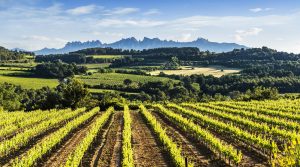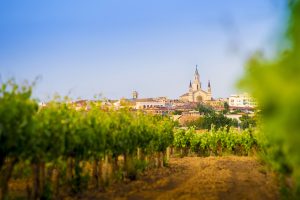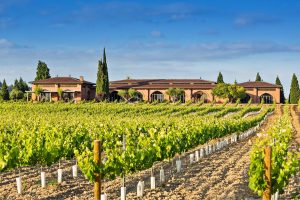
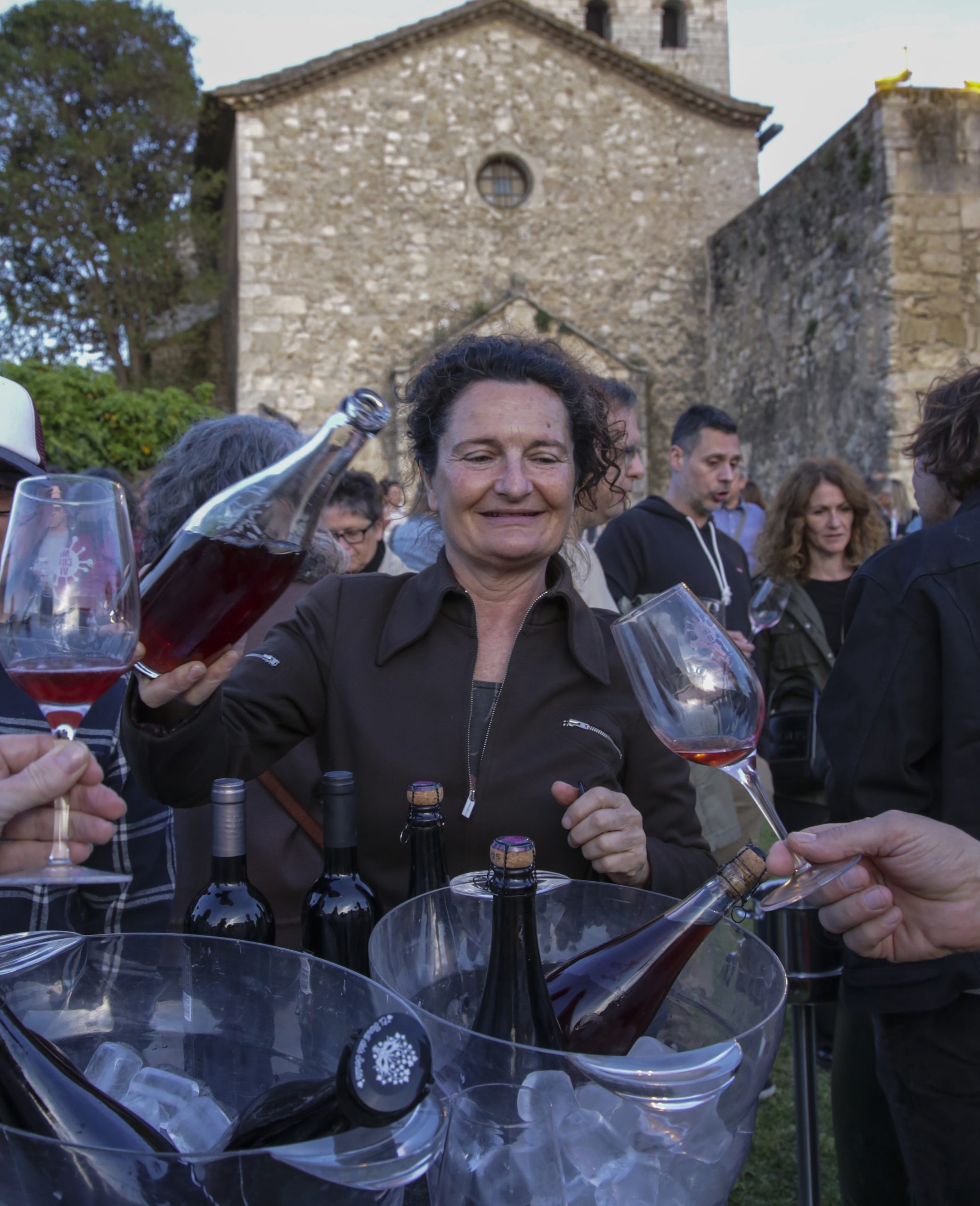
Forty minutes from Barcelona begins one of the most complete wine regions in Europe. The Penedès is home to more than two hundred wineries, the world capital of cava, medieval villages, a sea of vineyards between the mountains and the coast, and a wine culture that dates back to the Romans. Yet many people who live next door have never been further than Sant Sadurní. Penedès wine tourism goes far beyond visiting one big winery: it is a region to explore slowly, with time for a tasting, a village, a long lunch and, if possible, a sunset among the vines. This guide brings together everything you need to plan your visit, whether you come for a day or stay for the weekend.
What the Penedès is and why it is so special for wine
The Penedès is a natural region between Barcelona and Tarragona, divided into three areas: the Alt Penedès, with Vilafranca as its capital and the highest concentration of wineries; the Baix Penedès, closer to the sea and to El Vendrell; and the Garraf, the coastal strip. In addition, it is a Designation of Origin in its own right, one of the oldest in Spain, and the heart of the Cava D.O., whose capital, Sant Sadurní d’Anoia, sits right in the middle of the region.
What makes the Penedès unique is variety. In barely thirty kilometres you climb from sea level to eight hundred metres in the Ordal and Montmell mountains. For that reason, vineyards of xarel·lo, macabeu and parellada, the three historic cava grapes, sit alongside garnacha, syrah, cabernet and a growing list of recovered native varieties. Consequently, in a single day you can taste an ancestral-method sparkling wine, a high-altitude xarel·lo white and a garnacha red, all born a few kilometres apart.
The soil matters too. Many of the best vineyards in the Alt Penedès, like ours in Lavern, are planted on limestone, which gives fresh wines with acidity and the ability to age. Add to this a tradition of family wineries that have been making wine for generations, with an ever stronger commitment to organic and biodynamic farming. In fact, the Penedès is the first Designation of Origin in Europe to set itself the goal of becoming one hundred per cent organic.
Finally, there is heritage. Romanesque monasteries such as Sant Sebastià dels Gorgs, castles such as Gelida and Castellet, modernist architecture in Sant Sadurní and a living culture of castellers and village festivals. All of this means wine tourism here is not only about wine, but a way of getting to know Catalonia from the inside.
How to get there, when to come and how long to stay
Getting there is simple. By car, the AP-7 puts the Alt Penedès about forty minutes from Barcelona and just over half an hour from Tarragona. For those who prefer not to drive, which is highly advisable if tastings are on the agenda, the R4 Rodalies train reaches Sant Sadurní d’Anoia and Vilafranca del Penedès in under an hour. From there, many wineries arrange pick-ups or are a short taxi ride away.
As for the time of year, the Penedès has four very distinct seasons and each one makes sense. Spring is the brightest: the vines bud, the countryside is green and the temperatures invite you to walk. Summer is warm, but afternoons among the vines and sunset tastings are hard to beat. Autumn, with the harvest in September and the colours of October, is the star season for anyone who wants to see a winery in full activity. And winter, the least known, offers quiet cellars, unhurried tastings and a low light on the stone that does not repeat the rest of the year; it is also the season for company dinners and group celebrations at the winery.
Regarding how long to stay, one day covers a winery with a tasting, a village and a lunch. A weekend allows two or three wineries of different styles, a stroll through Vilafranca or Sant Sadurní, a castle visit and, for instance, a route through the most beautiful villages in the region. What we do not recommend is trying to see five wineries in one day: wine tourism is best enjoyed slowly.
Lastly, a practical tip. Most small wineries work by prior booking, even for two people, because the tasting is led by the producer. Booking a few days ahead avoids surprises, especially on spring and autumn weekends.
Things to do in Penedès: wineries, villages and experiences
The question of things to do in Penedès has a long answer, so it helps to organise it into three blocks.
The first is the wineries. There are two very different kinds of Penedès wineries to visit. The big cava houses offer spectacular tours through underground cellars, with guided visits every hour and enormous shops; they are perfect for understanding the scale of the industry. Family wineries, on the other hand, offer the opposite: a tasting with the winemaker, in small groups, where the conversation is about the vineyard, the vintage and the decisions behind each bottle. Ideally, combine both. In our case, group wine tastings at El Jardí dels Sentits take place in the shade of the monastery, with organic estate wines and local produce.
The second block is villages and heritage. Vilafranca del Penedès deserves half a day: the old town, the Plaça de la Vila, VINSEUM (the Museum of Wine Cultures of Catalonia) and, if the dates coincide, a castellers performance. Sant Sadurní d’Anoia is the capital of cava and has notable modernist heritage. Gelida, with its castle and funicular, and Sant Pau d’Ordal, with views over the whole region, complete a route that fits into a weekend.
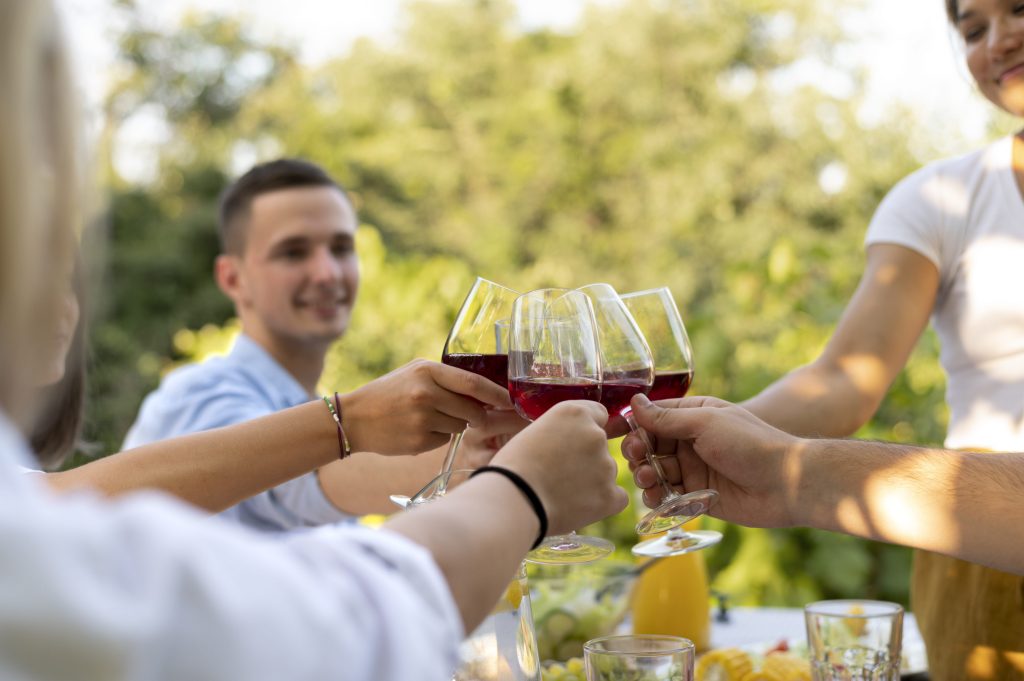
The third block is experiences. Here the Penedès has evolved a great deal in recent years: it is no longer just about visiting and tasting, but about taking part. From intimate tastings for two to wine courses, pairings with local cheese and charcuterie, hands-on harvests in September or dinners among the vines. For a couple’s getaway, a private tasting beneath an 11th-century monastery is one of those experiences people remember; and if you also want to go home having learned something, a half-day practical wine course teaches you to taste, serve and understand wine from the vine to the glass.
How to plan your Penedès wine route
A good Penedès wine route does not try to see everything. It picks a thread and follows it. Below we suggest three, each designed for one day, which can be combined over a weekend.
The cava route starts in Sant Sadurní in the morning with a visit to a large house to understand the traditional method. Then lunch in town and, in the afternoon, a small winery making ancestral-method or long-aged sparkling wines, to compare styles. If you want to know how they differ before you go, our guide to choosing a sparkling wine explains it in detail.
The villages route takes in Gelida, Sant Pau d’Ordal and Vilafranca, with a stop at VINSEUM and a tasting at the end of the day at an Alt Penedès winery. It is the best choice for first-time visitors who want landscape, history and wine in the same day.
The sensory route is the one we recommend to those who already know the Penedès and want to go deeper. A morning tasting course, a lunch with pairings and a quiet afternoon at a winery with a wine bar, watching the light fall over the vines. It is, in fact, the one that best sums up what we mean by wine tourism: time, calm and a glass that tells you where it comes from.
Whichever route you choose, there are three tips we always give. First, book ahead and mention any allergies or intolerances. Second, do not drive if you are going to taste: the train, a taxi or a designated driver solves the problem. And third, leave a gap unplanned. In the Penedès the best things tend to happen when someone at the winery says “come, let me show you something”. If you would like help designing your visit, our tailored pairing experiences and tastings adapt to couples, groups of friends and teams, and we would be delighted to welcome you to our garden.