Tasting a wine is not the same as drinking it slowly. It means asking it questions and learning to listen to the answers. That is why anyone can learn to do it. You do not need a special palate or years of experience. You need a method, attention and a little vocabulary. Knowing how to taste wine changes your relationship with every glass: it becomes more conscious, more fun and, above all, more your own. In this guide we explain the three stages of tasting, what to look for in each one and how to practise without complication. Moreover, by the end you will see that the hardest part is not perceiving, but trusting what you perceive.
Before you start: what you need to taste well
A tasting can be done anywhere. However, three details beforehand make the difference between perceiving a great deal or almost nothing.
The right glass
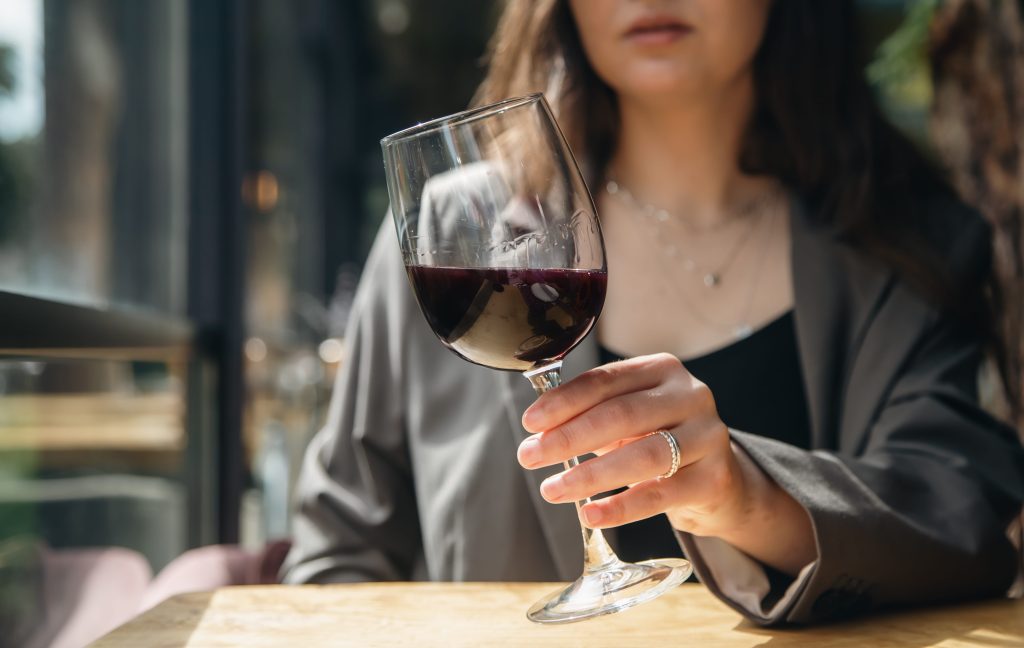
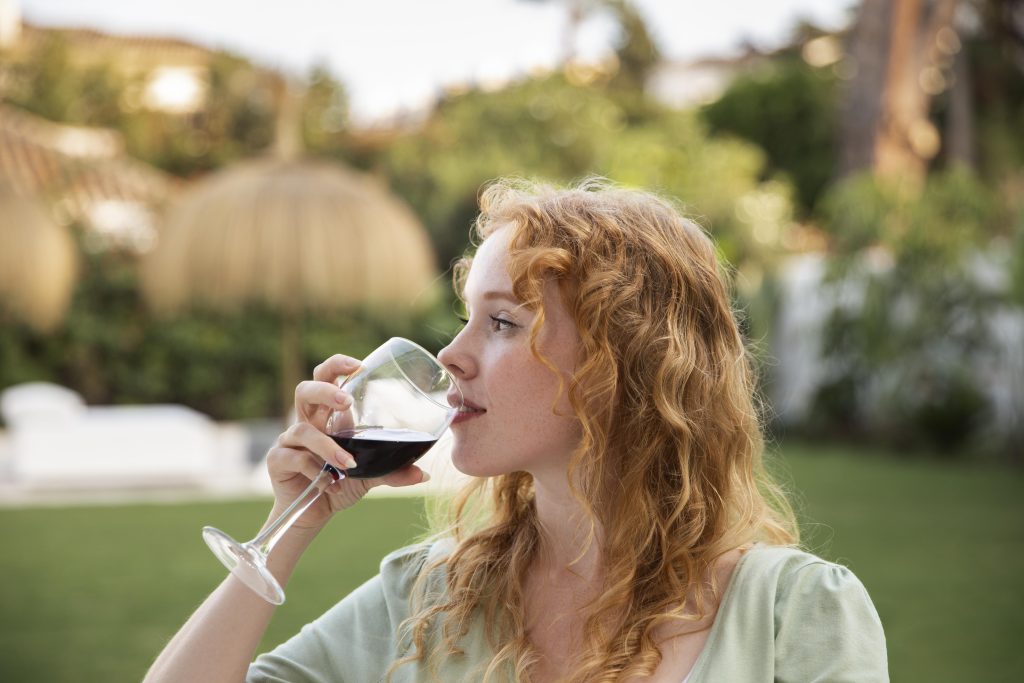
First comes the glass. It should be made of thin, clear, colourless glass. In addition, the rim should be narrower than the bowl, so that it concentrates the aromas. A medium-sized white wine glass works for almost everything. By contrast, short tumblers or coloured glasses prevent you from seeing and smelling clearly. Fill it only a third of the way, never more. That leaves room to swirl the wine and release its aromas.
Temperature
Temperature conditions everything else. A wine that is too cold hides its aromas; one that is too warm emphasises the alcohol. As a reference, whites and rosés are tasted between eight and twelve degrees Celsius. Reds, between fourteen and eighteen. Sparkling wines, between six and eight. For that reason, it is worth taking whites out of the fridge a few minutes early and, in summer, lightly chilling reds. If you want to go deeper, our guide on how to serve wine professionally covers each case.
The setting
Finally, the place. Tasting well requires natural or white light, a pale surface to judge colour and no strong smells. In other words, no perfume, freshly brewed coffee or cooking in progress. And it helps to arrive with a clean mouth: no chewing gum, tobacco or recent toothpaste. It sounds excessive, but the sense of smell saturates easily.
The visual stage: what colour tells you about the wine
The first of the stages of wine tasting is looking. It lasts only a few seconds, but it gives valuable clues about the age, the grape variety and the condition of the wine.
Clarity and colour
Tilt the glass about forty-five degrees over a white background. First, check that the wine is clean and bright, without haze. Then observe the colour at the centre and at the rim. In whites, a greenish or pale yellow tone indicates youth; gold and amber indicate evolution or ageing. In reds the opposite applies: violet and purple tones are young, while garnet and brick red signal years in bottle. For example, a young xarel·lo is almost transparent with green highlights; an aged one turns golden.
Depth and intensity
Depth is the intensity of the colour. A deeply coloured red does not let you see through the glass; a pale one does. This speaks of the variety and the extraction. A garnacha usually has medium depth; a syrah, high. It is neither better nor worse, it simply informs.
The tears
When you swirl the glass, the wine leaves drops that run down the inside. These are the tears or legs. The slower and thicker they are, the more alcohol or sugar the wine contains. By contrast, if they fall quickly, the wine is light. It is a curious detail, although it says nothing about quality.
The olfactory stage: the most important part of tasting
The nose is where almost everything is decided. In fact, most of what we call flavour is actually smell. For that reason, this stage deserves calm and at least two passes.
First nose, glass still
Bring the glass close without moving it and inhale gently. This is the first impression. Here you catch the most volatile aromas and detect whether the wine has a fault: a smell of cork, vinegar or rotten egg. If all is well, note the intensity: is there a lot or a little?
Second nose, glass swirled
Next, swirl the glass a few times and smell again. The movement oxygenates the wine and releases new, deeper aromas. Now is the moment to identify. It helps to think in families: fruit (white, citrus, red, black), flowers, herbs, spices, wood, nuts, toasty notes. You do not need to name the exact fruit. Saying “red fruit” is already tasting.
Primary, secondary and tertiary aromas
Primary aromas come from the grape: fruit and flowers. Secondary aromas come from fermentation: bread, butter, yeast. Tertiary aromas come from ageing: vanilla, leather, tobacco, nuts. A young wine will have mostly primary aromas; an aged one, a mixture. Learning to separate them is what truly sets apart someone who has taken a course. In our practical wine courses we devote a whole session to training the nose with real aromas.
The taste stage and conclusion: from the mouth to the verdict
At last, you taste. But in this part of wine tasting sight smell taste it is not about swallowing and giving an opinion, but about following the wine in three stages.
Attack, mid-palate and finish
The attack is the first sensation when the wine enters the mouth. Is it sweet, dry, fresh? Then comes the mid-palate: here you feel acidity (saliva at the sides of the tongue), tannin in reds (dryness on the gums), alcohol (warmth) and body (light, medium, full). It helps to aerate the wine in your mouth by drawing in a little air, so the aromas rise retronasally. Finally, the finish or aftertaste: how long the flavour lasts after swallowing. A long finish, ten seconds or more, usually indicates a great wine.
Balance
A good wine is not the one with the most of something, but the one with everything in proportion. Acidity, tannin, alcohol, fruit and, if present, sweetness or oak must coexist without any of them shouting. That harmony is what you look for at the end of a tasting. It is also the most subjective part: the same wine can seem balanced to one person and aggressive to another.
How to keep learning
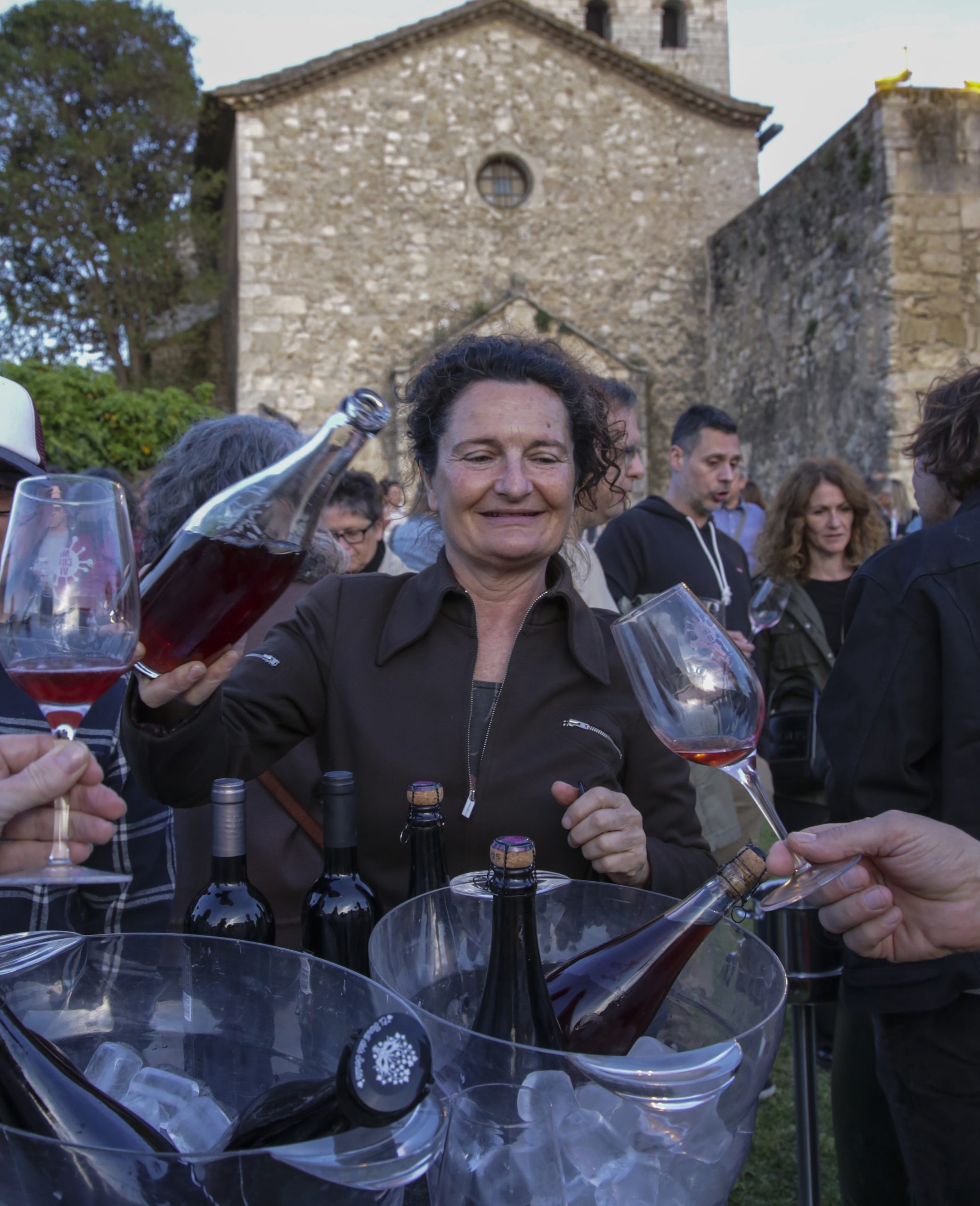
To learn to taste wine there are no shortcuts. You have to taste a lot and, above all, compare. Trying two wines of the same variety from different regions teaches more than reading ten books. Taking notes also helps: three words per wine are enough. And, whenever possible, taste with someone who knows how to guide you. At a guided group tasting at El Jardí dels Sentits, with five or six estate wines and the monastery as a backdrop, everything in this article becomes clear in an hour and a half. If you prefer something more intimate, our original tastings adapt to couples and small groups. In short, tasting is not an exam. It is a conversation with the wine, and the only rule is to pay attention.