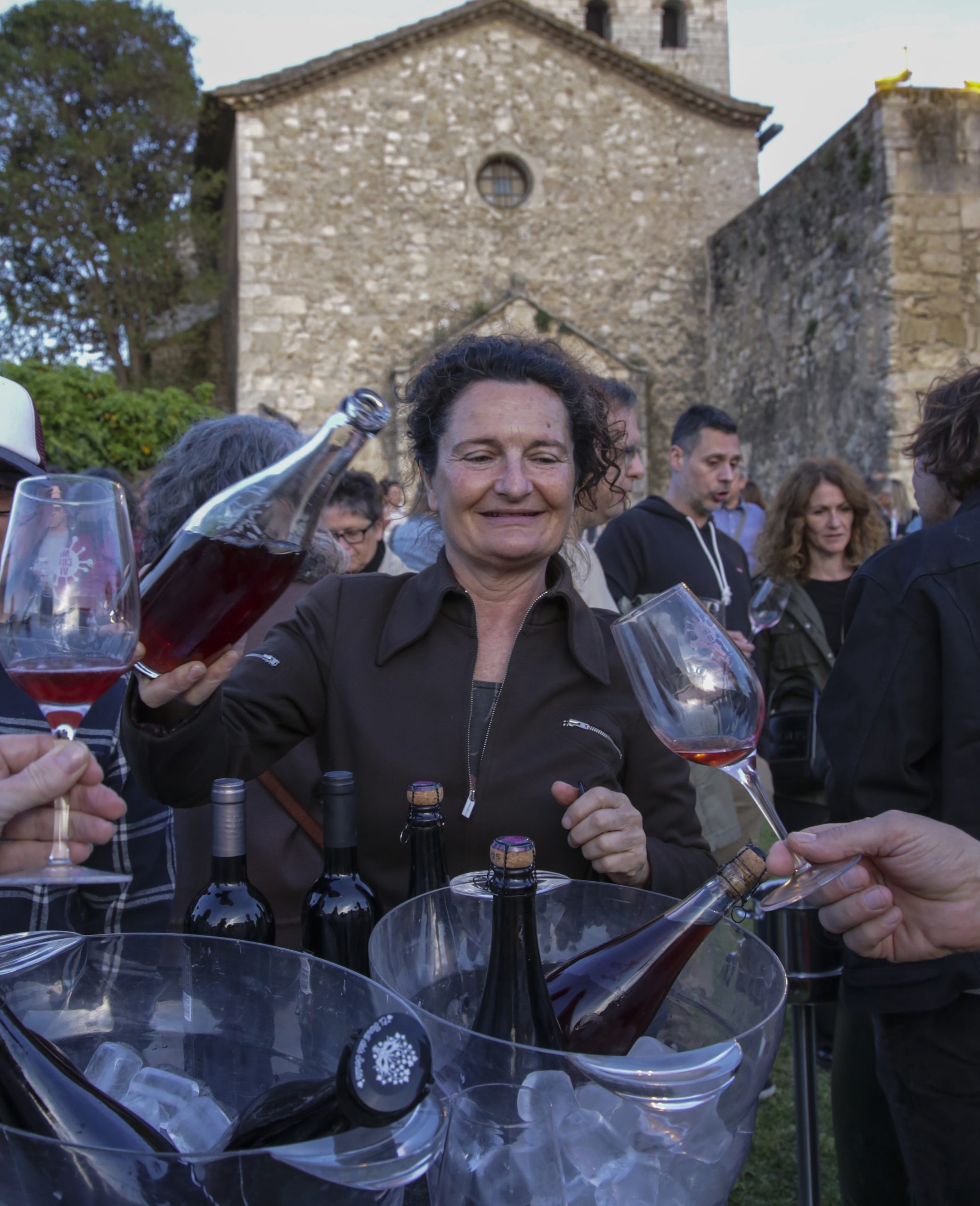
There is a scene that repeats at every tasting. Someone smells the glass, notices something clearly and, nevertheless, cannot find the word. They say «it tastes like wine» and laugh. It is not a lack of palate. It is a lack of vocabulary. Wine vocabulary is not for showing off, but for thinking: once you have the word, you perceive better. That is why we have gathered thirty terms used at any tasting, each explained in a sentence and grouped by the moment they appear. Moreover, by the end you will see that you already knew most of them; they just needed putting in order.
Words from the vineyard and the cellar
Before it reaches the glass, wine already has a vocabulary of its own. These are the wine tasting terms that explain where it comes from and how it was made.
In the vineyard
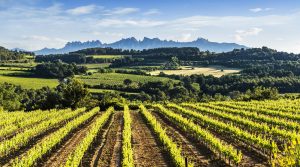
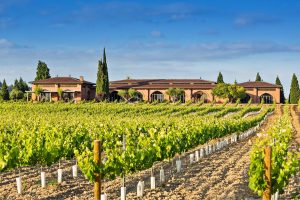
Terroir is the combination of soil, climate and landscape that makes a vineyard unique; that is why two xarel·los from neighbouring villages taste different. The vintage is the year of the harvest and explains why the same label changes from one year to the next. A variety is the type of grape: xarel·lo, garnacha, syrah. Finally, the harvest is the picking of the grapes, and saying «hand-harvested» already tells you something about the producer’s care.
In the cellar
Fermentation is the process in which yeasts turn grape sugar into alcohol. A blend is the mix of different varieties or tanks that makes up the final wine. Ageing is the time the wine spends in barrel or bottle before release. The lees are the yeast remains left after fermentation; a wine aged «on the lees» gains texture and volume. And the ancestral method is the oldest way of making sparkling wine, with a single fermentation that finishes in the bottle; if you want to understand it fully, our sparkling wine guide compares it with cava.
Two modern concepts
An organic wine comes from grapes grown without synthetic pesticides or herbicides. A biodynamic wine goes a step further and treats the estate as a living organism, using natural preparations and the lunar calendar. These are two words you will hear more and more and which, incidentally, describe how we work in Lavern.
Words for the eye and the nose
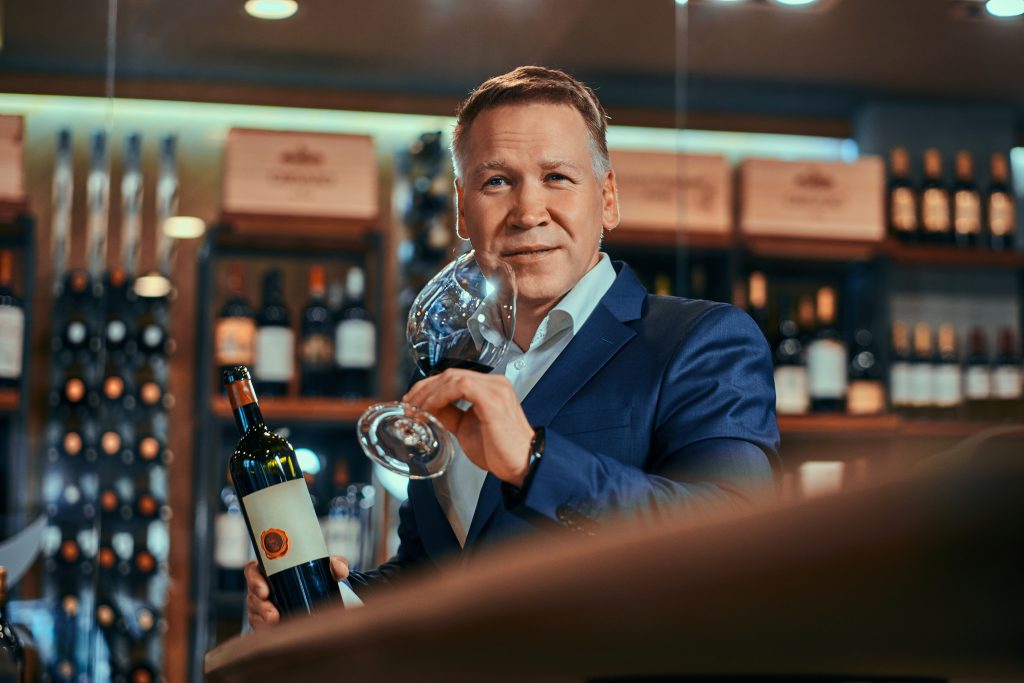
Now the glass arrives. The first two stages of tasting have their own lexicon, and mastering it makes the difference between looking and seeing.
What you see
Depth is the intensity of the colour: deep if you cannot see through the wine, pale if you can. The rim is the edge of the wine in a tilted glass; its hue reveals age. Tears or legs are the drops that run down the glass after swirling and indicate alcohol or glycerol, not quality. And clear or bright describe a wine without haze.
What you smell
The bouquet is the overall set of aromas in an aged wine; in a young one we simply speak of aromas. Primary aromas come from the grape (fruit, flowers), secondary from fermentation (bread, butter) and tertiary from ageing (vanilla, leather, tobacco). A mineral wine recalls wet stone or chalk; it is a debated term, but widely used for whites from limestone soils. By contrast, a reduced wine smells closed or of struck match; it often opens up with a few minutes of air. And TCA is cork taint: a smell of wet cardboard that never goes away.
To practise all this with a method, our guide to the stages of tasting explains step by step what to look at and what to smell.
Words for the palate
This is where most people run out of words. However, with eight terms you can describe almost any wine.
Structure
Body is the sense of weight in the mouth: light, medium or full, like the difference between water, milk and cream. Acidity is the freshness that makes you salivate; without it, a wine tastes flat. Tannin is the drying sensation on the gums, typical of reds; it can be soft or astringent. And alcohol is felt as warmth; when it stands out too much, the wine is called hot or alcoholic.
Journey
The attack is the first impression on entering the mouth. The mid-palate is what happens while the wine is in your mouth. The finish or aftertaste is what remains after swallowing; long is a good sign. And balance is the harmony between acidity, tannin, alcohol and fruit: the word that sums up whether a wine is well made.
Three useful adjectives
Dry means no perceptible sugar; almost all table wines are. Juicy describes a wine with ripe fruit and a sweet impression even though it is technically dry. And round is a wine without rough edges, where nothing sticks out.
Words for ageing, serving and the bottle
Finally, the vocabulary that appears when choosing, opening and serving. It is the one most used in a shop or restaurant.
On the label
Crianza, reserva and gran reserva are regulated ageing categories in Spain; the higher the category, the longer in barrel and bottle. Brut nature, in sparkling wines, means no added sugar; brut has a little. And lees ageing (rima in Catalan) is the time a sparkling wine spends in bottle on its lees before disgorgement; for instance, our Misteriós Quintessence spends five years on the lees.
At the table
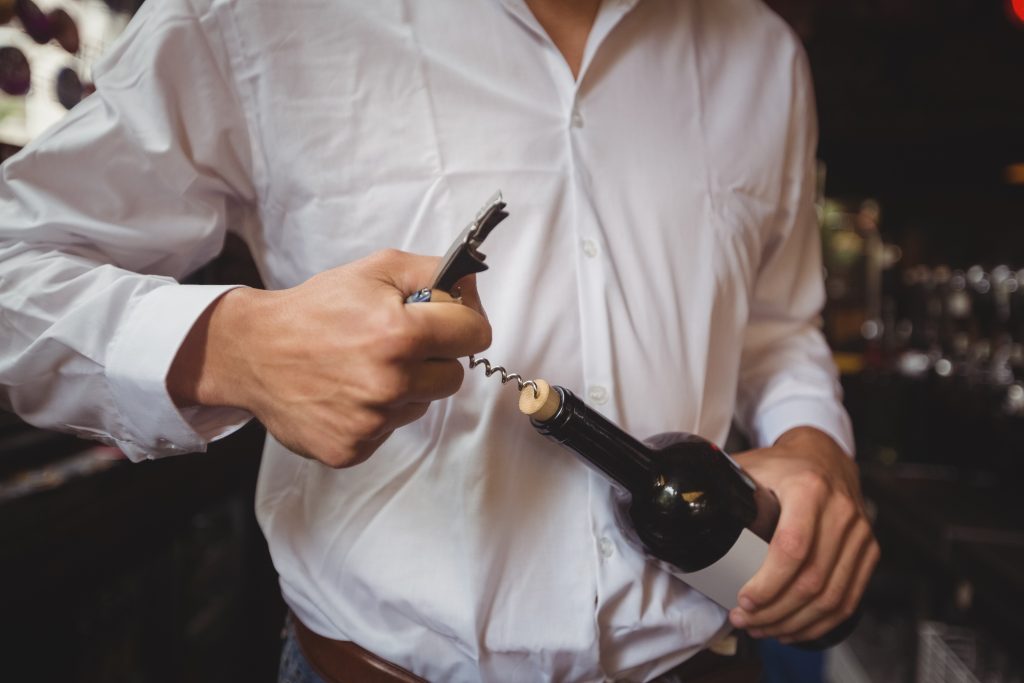
Decanting is pouring the wine into another vessel to aerate it or separate it from sediment. Oxidised describes a wine that has had too much contact with air and smells of bruised apple or sherry; in a young still wine it is a fault. And pairing is matching a wine with a dish so that both improve.
From the list to the glass
A wine glossary for beginners is of little use if it stays on the page. The way to absorb it is to use it: pick three terms per tasting and make yourself apply them. First the depth, then a primary aroma, finally the finish. After two or three tastings, the words come by themselves. And if you want to speed up the process, a guided group tasting at El Jardí dels Sentits is the perfect setting: you taste five or six estate wines and every term appears in context, with the monastery of Sant Sebastià dels Gorgs as a backdrop. For those who want to go further, our practical wine courses devote a session to vocabulary and the tasting sheet. In short, knowing how to talk about wine like a sommelier is not about knowing many words, but about knowing which ones to use and when.