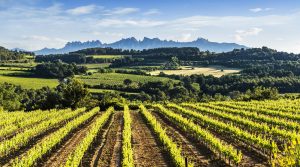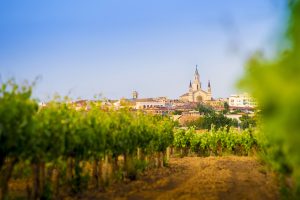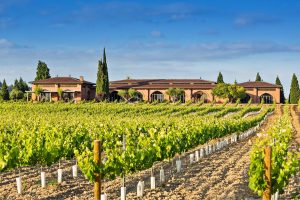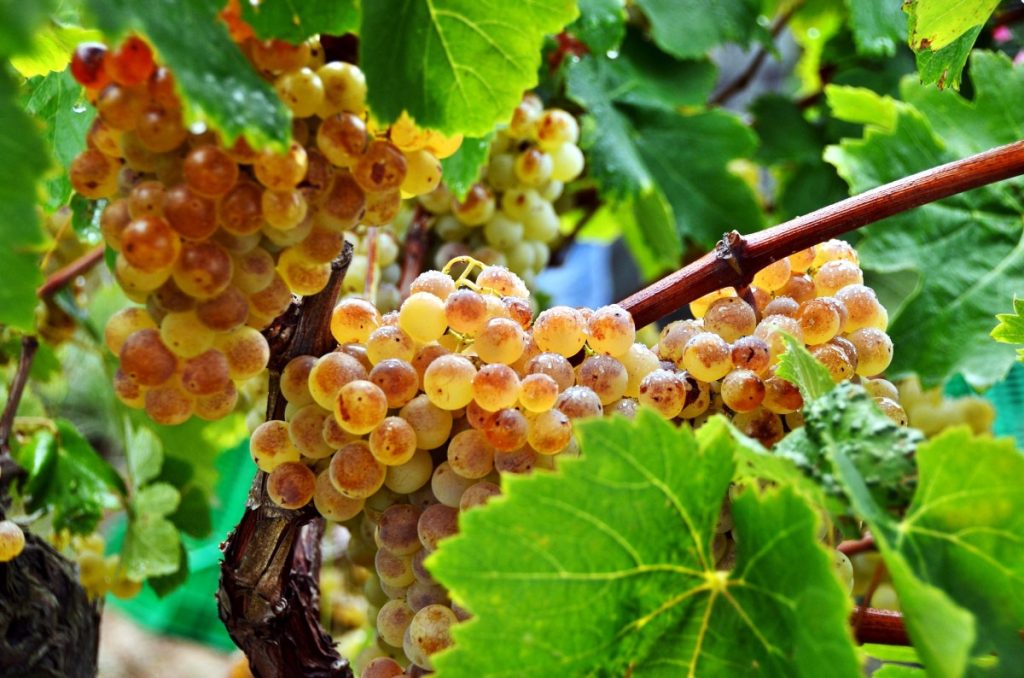
Some grape varieties are known all over the world, and some are the key to a whole region but barely known outside it. Xarel·lo belongs to the second group. It has been in the Penedès for centuries, it is the backbone of cava and yet almost nobody knows how to pronounce its name the first time they see it written. That is changing. In recent years xarel·lo has stopped being simply the grape that gives freshness to cava and become the star of characterful still whites, ancestral sparkling wines and, in the best estates, a precise reflection of the limestone terroir of the region. This is its story and what makes it unique.
What xarel·lo is and where it comes from
Xarel·lo is a white grape variety native to the Penedès and some parts of the Empordà and the Priorat. Its name probably comes from old Catalan and refers to its rough or astringent character, which is very noticeable in unripe grapes. It is one of the three historic xarel·lo wine varieties used in cava, alongside macabeu and parellada, and for decades its role was precisely that: to provide body, acidity and freshness to the region’s sparkling wines.
A late-ripening and resilient variety
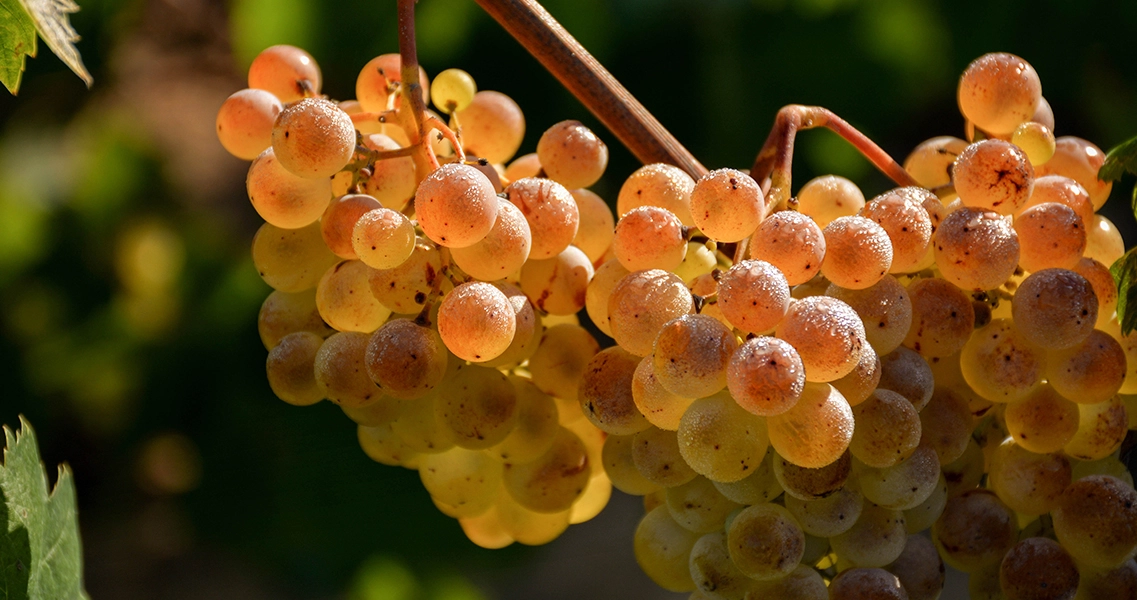
Xarel·lo ripens late, sometimes the last of the white varieties in the Penedès. That makes it more vulnerable to autumn rain, but it also allows it to accumulate more aromatic complexity during the summer. In addition, it is a vigorous variety that is resistant to drought, perfectly adapted to the continental Mediterranean climate of the Alt Penedès, with dry, hot summers and cool winters. For that reason, in the context of climate change, many growers see it as one of the varieties with the most future in the region.
The soil that defines it
Planted on limestone soils, like those of Lavern and Subirats, xarel·lo develops a fresh acidity and a minerality that recalls chalk or wet stone. That minerality is what makes it special for ageing: in bottle, with time, it gains complexity without losing its nerve. On more clayey or fertile soils, by contrast, it produces larger grapes and flatter wines. The choice of soil is therefore almost as important as the variety itself.
How xarel·lo smells and tastes
The xarel·lo characteristics are recognisable once you learn to look for them. In a young xarel·lo, the aromas are fresh and direct: green apple, pear, freshly cut grass, sometimes a hint of anise or fennel. With maturity, citrus notes appear, especially grapefruit and lime, and a characteristic salinity that recalls sea breeze even though the vineyard may be fifty kilometres from the coast.
On the palate
On the palate, xarel·lo stands out for its lively acidity. It is a wine that makes you salivate, that makes you want to eat and that does not tire even when drunk through a long meal. The body is medium, never heavy, and the finish has a certain rough texture, almost tannic for a white wine, that sets it apart from softer varieties like macabeu. That texture is precisely what makes it age well.
With ageing
An aged xarel·lo, whether in bottle or with some oak, is a different experience. The fruit notes integrate and nuances of nuts, acacia honey and soft spice appear. The acidity rounds out but does not disappear. And that limestone minerality, which in a young wine was direct, becomes more complex and hard to describe in a single word. It is the kind of wine that makes you wonder what you are drinking, and that is always a good sign. If you want to see it in action, our original tastings at the winery always include at least one estate xarel·lo to compare styles and vintages.
Xarel·lo in cava and in still wines
For decades, xarel·lo was almost invisible. It was in cava, yes, but blended with macabeu and parellada, with no name of its own on the label. The rise of varietal wines, that is, wines made from a single grape, changed everything. Since the nineties, more and more xarel·lo Penedès producers have chosen to vinify it alone to show what it can do without the company of other grapes.
In cava
In traditional cava, xarel·lo provides the body and acidity that macabeu does not always give. In longer-aged cavas, the reserva and gran reserva styles, its role is even more important: it is the variety that best withstands years in bottle and that develops the most complexity with time. That is why many of the great cellar-aged cavas, with five, eight or twelve years on the lees, have xarel·lo as their main variety. At El Jardí dels Sentits we also work it in an ancestral version, without disgorgement, to preserve all its vitality in the glass.
In still wines
A well-made still xarel·lo is one of the most interesting whites in Spain, although few people know it yet. Unlike an albariño or a verdejo, it does not seek immediate fruit or roundness. It is more austere, more mineral, more of a food wine. It calls for food: rice dishes, baked fish, aged cheeses from the Penedès. With time, the best examples develop a complexity that recalls the great whites of southern Burgundy, though with an unmistakably Mediterranean character.
Why xarel·lo deserves more attention
Xarel·lo has been in the Penedès for centuries, but its moment as a star has only just arrived. In a market saturated with international varieties, it offers something that chardonnay or sauvignon blanc cannot: a direct connection to a specific territory, a limestone soil and a Mediterranean climate that exists nowhere else in the world in quite the same way.
A sustainable variety
In addition, xarel·lo fits perfectly with organic and biodynamic viticulture. Its natural resistance to certain diseases reduces the need for treatments, and its high acidity helps it cope well with the late harvests that climate change is bringing forward in other varieties. On our estate, farmed biodynamically on limestone soil, it gives us vintage after vintage the most honest wine we know how to make.
How to find it and taste it
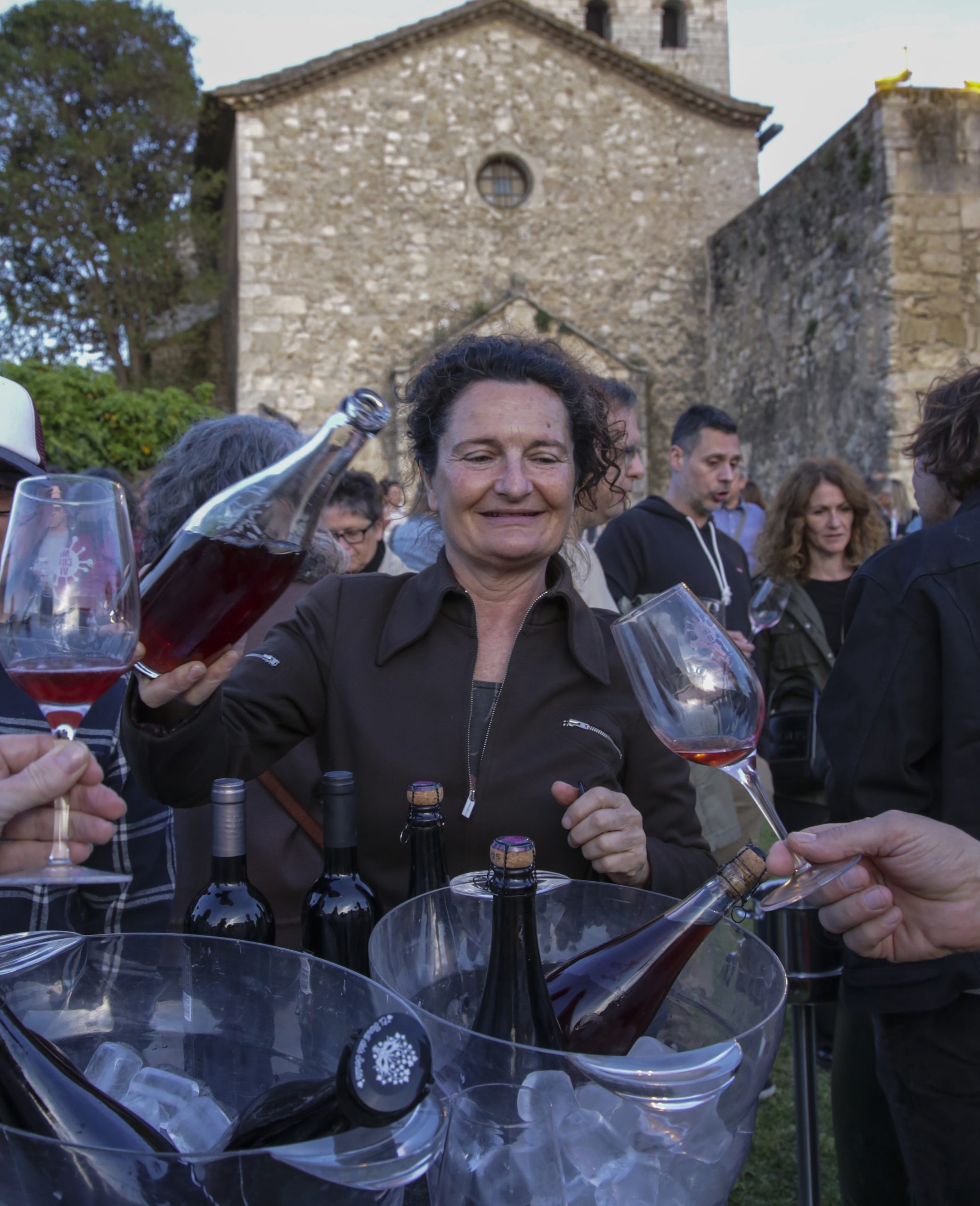
The best way to understand xarel·lo is to taste it in several formats on the same day: still, ancestral sparkling and, if possible, with some ageing. The differences between the three are so great that it is hard to believe they are made from the same grape. In our practical wine courses we devote a session to the native varieties of the Penedès, with xarel·lo as the star. And if you prefer a more informal version, a group tasting at the estate lets you taste it in its natural context, with the vineyard in front of you and the monastery behind. In short, xarel·lo is not just the grape of cava. It is the best ambassador the Penedès has.