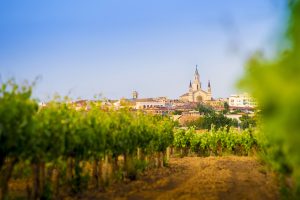
December 31st arrives and, once again, somebody has to choose the bottle for the midnight toast. It is almost always decided at the last minute, in the supermarket, between three familiar labels. Yet the midnight sparkling wine is the only glass of the year that everyone raises at the same time. That is why it deserves a little more thought. Finding the best sparkling wine for New Year’s Eve is not about spending more, but about knowing what you are buying: how it was made, how long it rested and what you will drink it with. Besides, the Penedès, just outside Barcelona, produces some of the most interesting sparkling wines in Spain.
Cava, champagne or ancestral: what lies behind each bubble
The first thing to clarify is that not all sparkling wines are made the same way. In fact, the method used to create the bubbles completely changes the character of the wine.
The traditional method is the one used for cava and champagne. A still wine is made first and then sugar and yeast are added in the bottle to trigger a second fermentation. The gas produced is trapped and, over time in contact with the lees, aromas of pastry and nuts develop. The longer the ageing, the greater the complexity.
The ancestral method, by contrast, is older and simpler. The wine is bottled before its single fermentation has finished, so it completes fermenting inside the bottle. No sugar or yeast is added. The result is a fresher, fruitier and more direct sparkling wine with a softer bubble. So, for anyone wondering about cava vs ancestral method in one sentence: cava ferments twice and ancestral ferments only once.
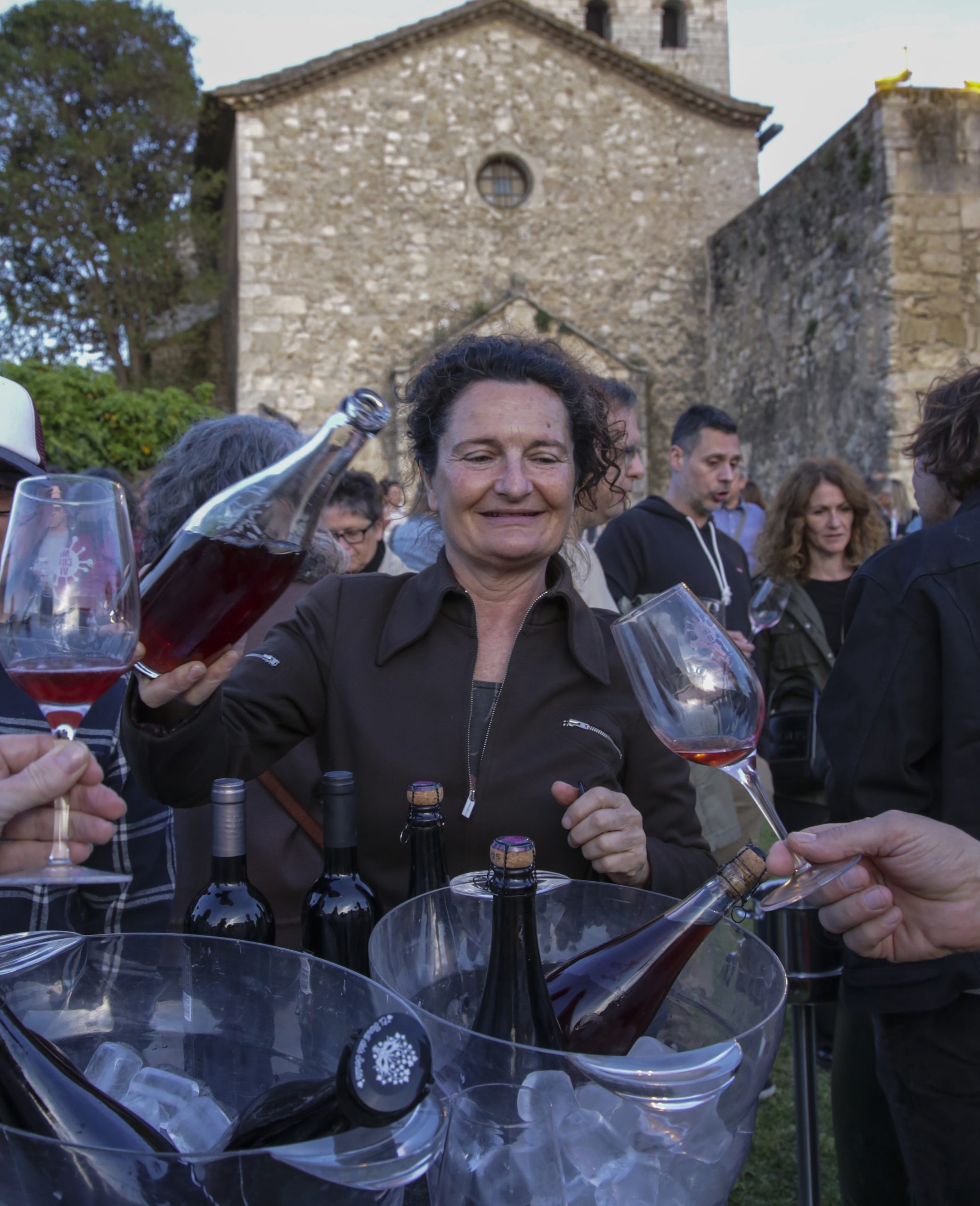
Neither is better than the other. They are different styles for different moments. A young ancestral is ideal for the aperitif or for anyone who prefers lighter bubbles. A long-aged sparkling wine calls for dinner and midnight. Precisely for that reason, our tastings always set aside time to compare them; at an original wine tasting at the winery you understand the difference in two sips, far better than by reading about it.
Which sparkling wine to choose for each moment of the night
Choosing a sparkling wine Penedès producers would recommend for New Year’s Eve has a catch, because there is not just one moment. There are at least three, and each calls for a different bottle.
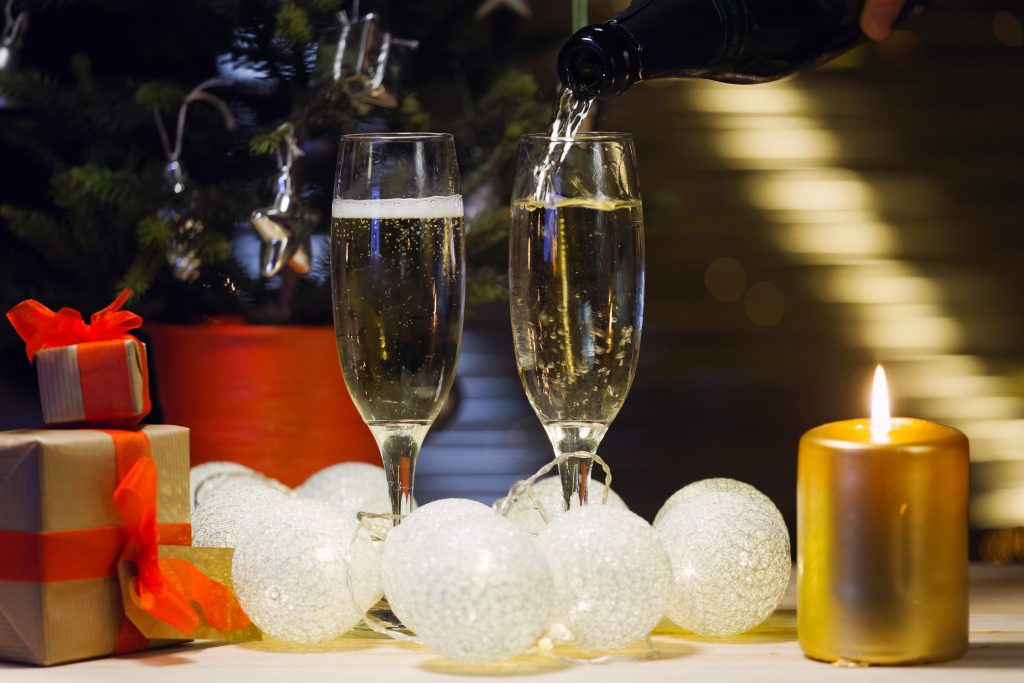
For the aperitif, before sitting down, something fresh and undemanding works best. An ancestral-method xarel·lo, for example, with its lively acidity and white fruit, opens the appetite without tiring the palate. Our Ancestral BB Xa is exactly that kind of wine: young, bold and, at the same time, silky. Moreover, it is brut nature, with no added sugar, so it never cloys even when the glass is refilled.
For dinner, if you want to continue with bubbles, it is worth moving up in structure. An aged sparkling rosé pairs well with both seafood and white meats. In that register, our Escumós BB Rosat, with three years of freshness in bottle, holds its own against the main course without losing its vibrancy.
And for midnight, the toast itself, it is time for the special bottle. A long-aged sparkling wine, with five, eight or twelve years on the lees, has the complexity the occasion deserves: notes of brioche, ripe fruit and a bubble so fine you barely notice it. It is the one people remember the next day. Consequently, if you are only going to invest in one bottle, make it this one.
The midnight bottle: why ageing changes everything
Many people associate “good sparkling wine” with price or brand. However, what truly makes the difference in the glass is time. A sparkling wine that has spent years in contact with its lees inside the bottle develops a creamy texture and aromas that a young wine simply cannot have. The bubble integrates, becoming fine and persistent. The wine gains depth.
In the Penedès, the official categories speak of reserva from eighteen months and gran reserva from thirty. But some producers go much further. At our family winery, for instance, the Misteriós Viblioteca has spent twelve years on the lees in the silence of the cellar, beneath the monastery. It is velvety, elegant and designed precisely for occasions that come once a year.
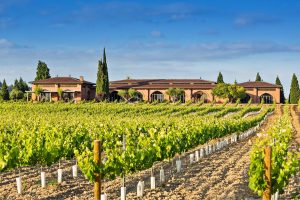
In addition, there is a detail that matters at this time of year: the origin of the grapes. A sparkling wine made from organic grapes from a single estate, hand-harvested and free of chemical treatments, expresses its terroir far more clearly. Our vineyards in Lavern have been certified organic since 2014 and are farmed biodynamically, and that shows in the purity of the fruit.
Finally, it is worth thinking about dosage. Brut nature sparkling wines have no added sugar, which makes them drier and more food-friendly. For the midnight toast, a long-aged brut nature is, in our view, the most elegant choice. That said, if someone at the table prefers something softer, a brut or a rosé does the job just as well.
How to serve sparkling wine so the toast is perfect
Choosing the right bottle is half the job. The other half is serving it as it deserves, and here several very common mistakes can ruin even the finest wine. Knowing how to serve sparkling wine is as important as knowing which one to buy.
First of all, temperature. Sparkling wine should be served between six and eight degrees Celsius. Any colder and the aromas vanish; any warmer and the bubbles turn aggressive. Ideally, put the bottle in the fridge three hours beforehand or, if you are short of time, twenty minutes in a bucket of equal parts water and ice. The freezer, on the other hand, is a bad idea: it chills unevenly and can damage the bottle.
Secondly, opening. The loud pop is fun, but it wastes gas and aroma. The right way is to hold the cork, turn the bottle slowly and let it release with a sigh. That way, all the bubbles stay in the glass.
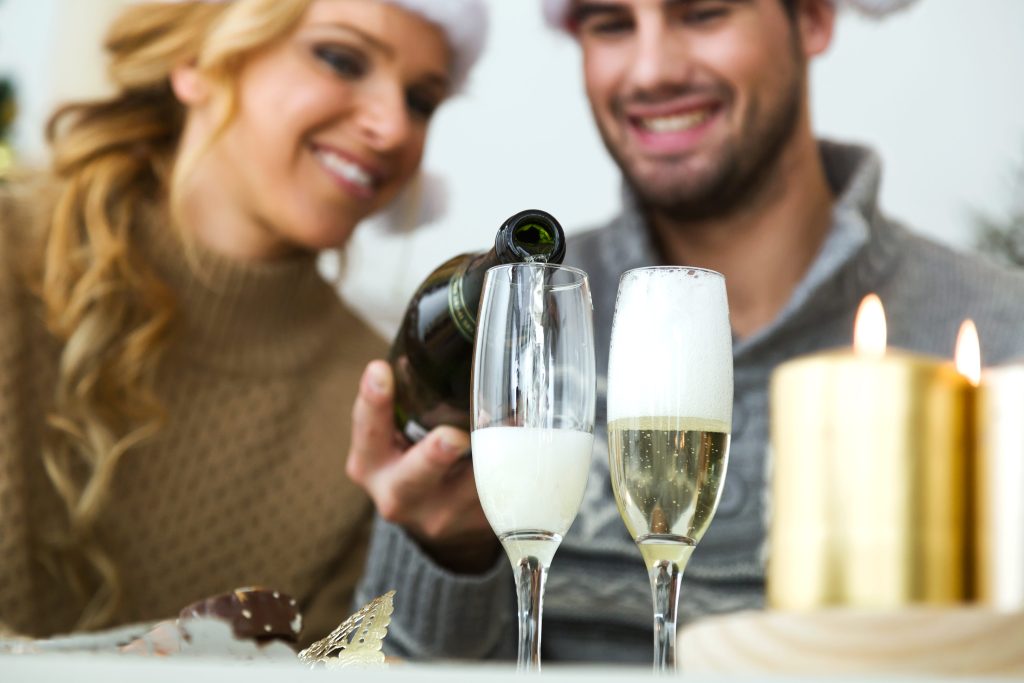
Thirdly, the glass. The narrow flute, so common at parties, concentrates the bubbles but leaves almost no room for aromas. A white wine glass or a tulip glass, wider in the middle and narrower at the top, lets you enjoy an aged sparkling wine far more. Pour by tilting the glass and filling it two-thirds, without hurrying.
Lastly, timing. A long-aged sparkling wine improves with a few minutes in the glass, so it is worth pouring shortly before midnight. And if anyone wants to truly understand why a sparkling wine tastes the way it does, the best way to learn is to taste several side by side with the person who made them. Our practical wine courses devote an entire session to the sparkling wines of the Penedès. In short, the toast lasts a few seconds, but choosing the right bottle can be the start of a lifelong interest.